
Scuba Accessories
Accessories for Scuba multiparameter probes — copper anti-fouling kit, underwater and data cables, USB adapter, Scubamobile for field configuration, flow through cell for pumped measurement and a protective softcase.

Protection and deployment
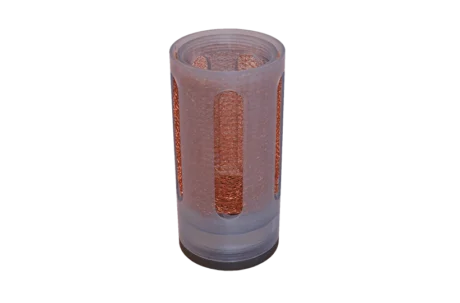
- Copper Anti-Fouling Kit — suppresses biological growth on the sensor faces and extends the interval between cleaning visits.
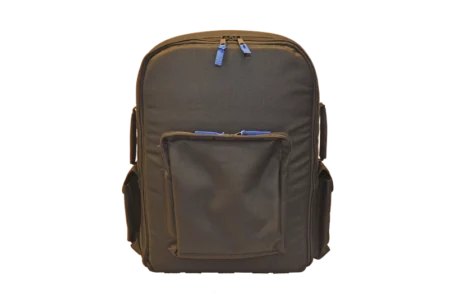
- Scuba Softcase — protects the instrument in transit, which is where most avoidable damage happens.
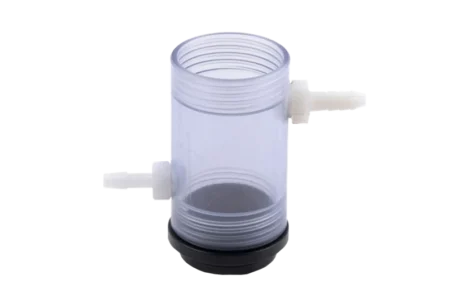
- Flow Through Cell — measure in a pumped stream without exposing the water to air.
Cables and connection
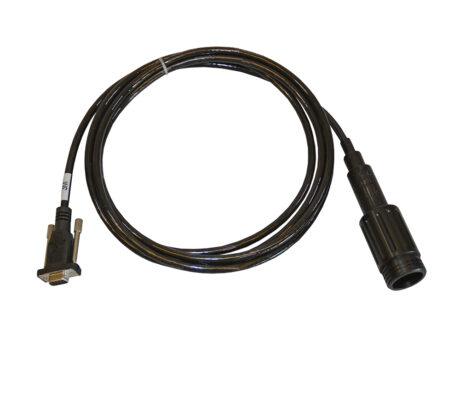
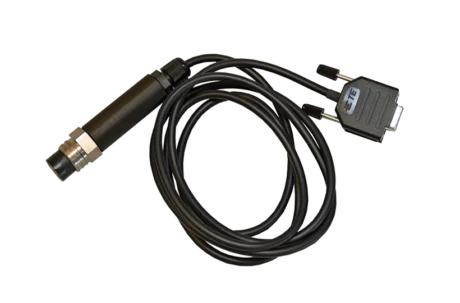
- Scuba Underwater Cable — the deployed connection between probe and surface.
- Scuba Data Cable and USB Adapter — for configuration and data download to a computer.
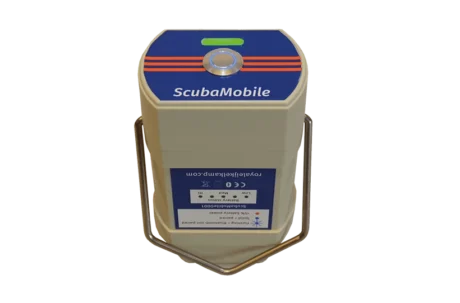
- Scubamobile — mobile configuration and data handling, so setup and download happen at the water rather than back at the office.
Anti-fouling is the accessory that matters most
Of everything on this page, the copper anti-fouling kit has the largest effect on data quality. Biofouling is the practical limit on how long a multiparameter probe can be left in productive water, and its failure mode is the worst kind: gradual drift rather than an obvious fault.
A probe with a fouled dissolved oxygen sensor keeps producing numbers. They look reasonable. They are wrong, and increasingly so, and nothing in the record announces it. You discover the problem on recovery, when the post-deployment calibration check comes back badly out — at which point the question is how much of the last few months of data you can defend.
Copper suppresses the growth that causes this. In warm, nutrient-rich or slow-moving water, fit it from the outset rather than after the first disappointing deployment.
Why the flow through cell changes the reading
Dissolved oxygen and redox begin equilibrating with the atmosphere within seconds of water meeting air. Measuring a pumped sample in an open container therefore gives you a number that describes the container. A sealed flow through cell keeps the water enclosed while the sensors read it, which is the only way to get an honest dissolved oxygen figure from a pumped stream.
It has a second use during low-flow purging: watching the parameters through the cell is how you know when they have stabilised and the water reaching the pump is genuinely formation water rather than casing water.
Related equipment
For the probes themselves see Scuba Multiparameter Probes. For portable spot-reading meters see Water, and for groundwater level and conductivity logging Water Level Loggers. For pumped sampling see Groundwater Pumps.
Scuba accessory FAQs
Ordering and support
All accessories here are genuine Eijkelkamp, supplied direct from our UK operation with UK-based service and support. Tell us your probe model and how it will be deployed, and we will confirm the right cables and anti-fouling arrangement. Request a quote or get in touch.