
Soil Samplers
Eijkelkamp soil samplers for recovering undisturbed and continuous soil samples — sampling ring kits in A53, C53, E53 heavy and C60 configurations, liner and split tube samplers for soft and hard soils, coring apparatus, percussion drilling sets, profile samplers and peat samplers.
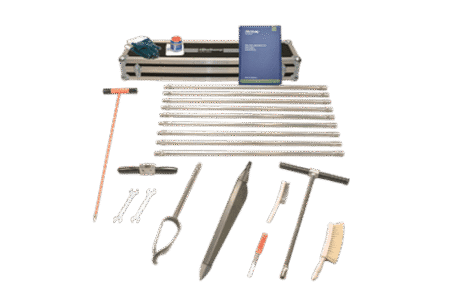
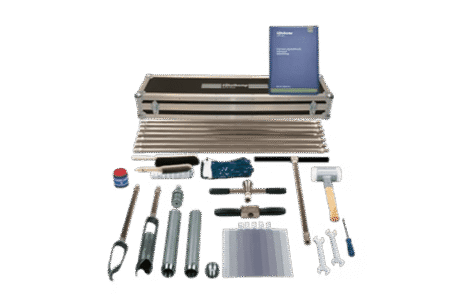
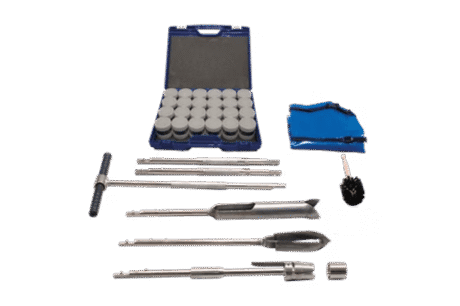
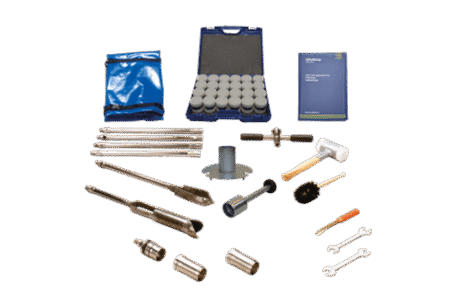
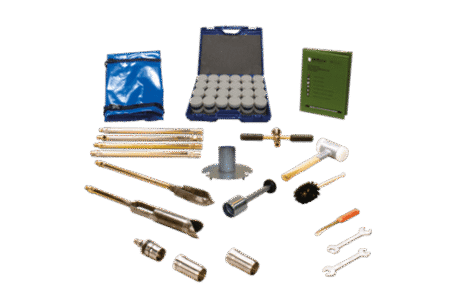
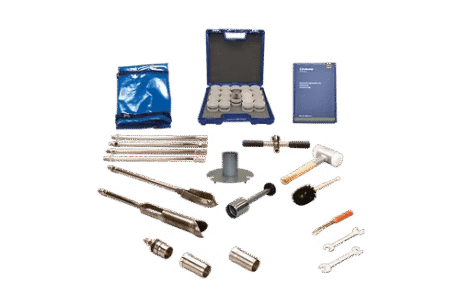
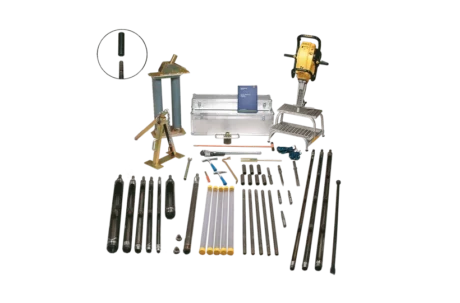
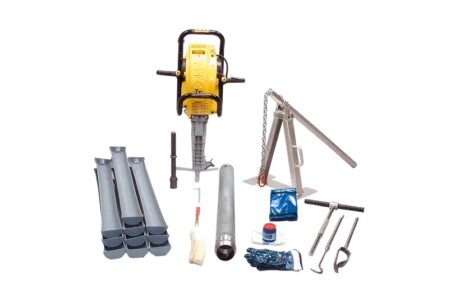
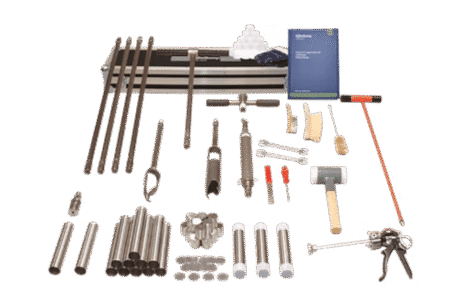

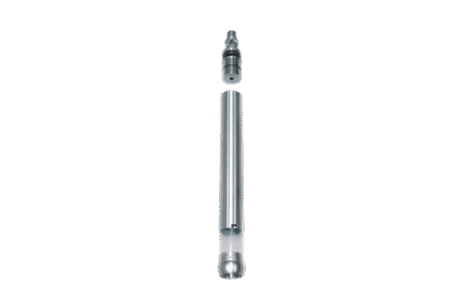
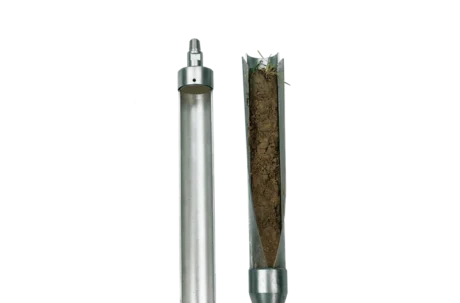
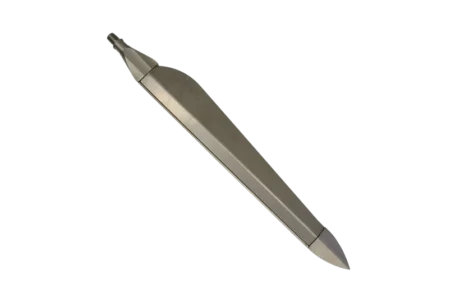
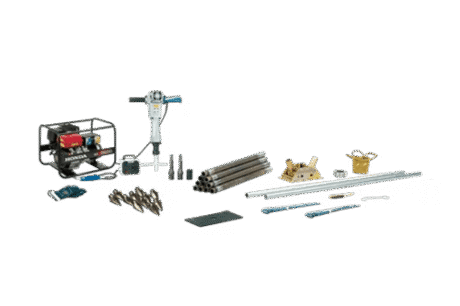
Sampling ring kits
Ring sampling is the standard route to undisturbed material for bulk density, permeability, shear strength and water retention testing. Choose the kit your laboratory method specifies.
- Sampling Ring Kit Model A53, Model C53 and Model C60 — the common configurations for routine work.
- Sampling Ring Kit Model E53 Heavy — built for firmer, more resistant soils.
- Soil Sample Ring, Closed Ring Holder, Hammering Head and Protective Caps — individual components and consumables.
- Spare Cutting Shoe 53 mm — the wearing part, replaceable rather than replacing the assembly.
Liner and tube samplers
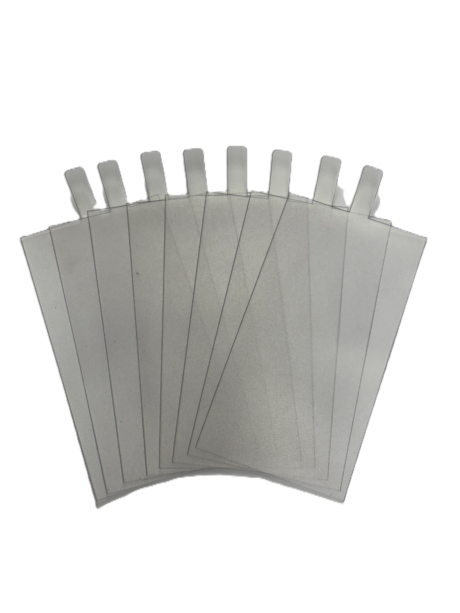
- Liner Sampler Set — Soft Soils and Liner Sampler Set — Hard Soils — drive a disposable liner so the sample is capped and sent to the laboratory without transfer.
- Sample Liners — the consumable liners themselves.
- Split Tube Sampler and the complete set — open lengthways to describe and sub-sample the core on site.
- Stainless Steel Sample Tube — durable driven sampling where cross-contamination between sites is a concern.
- Lost Cone and the Lost Cone Drilling Set — reach the target depth without dragging material down from above.
Coring, profiles and peat
- Coring Apparatus and the Soil Column Cylinder Auger Set — continuous cores and intact soil columns.
- Profile Sampler — an intact column for describing the horizon sequence as a whole.
- Percussion Drilling Set — driven sampling to depth in firmer ground.
- Peat Sampler Bottom Part and the Peat Sampler Set — peat cores for depth logging and carbon work.
- Soil Coring Kit for Chemical Soil Research — configured for contamination and chemistry sampling.
Getting undisturbed samples right
An undisturbed sample is only undisturbed if nothing between the ground and the laboratory disturbs it, and the failure points are predictable. Driving a bare ring rather than one held square in a ring holder smears the sample perimeter — and the perimeter is exactly what the laboratory measures. Striking a ring or holder directly instead of through a hammering head deforms the ring. Leaving samples uncapped loses moisture, which changes both moisture content and bulk density.
None of these are subtle, and all of them are avoidable with equipment costing far less than a repeat site visit.
Related equipment
For getting to sampling depth see Hand Augers, and Gouge Augers to read the profile and decide which horizon to sample. For field description and measurement see Soil, and for laboratory testing of the samples you recover see Soil Physical Research. Popular items are also available for immediate ordering in the shop.
Soil sampler FAQs
Ordering and support
All equipment here is genuine Eijkelkamp, supplied direct from our UK operation. Ring dimensions and liner sizes are set by the test method, so tell us the standard your laboratory works to and the soils you sample, and we will confirm the correct kit. Request a quote or get in touch.