
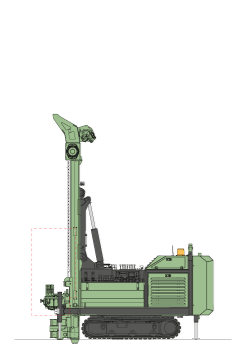
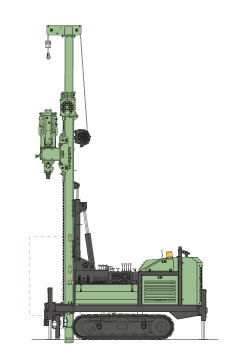
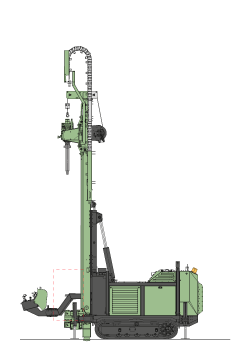
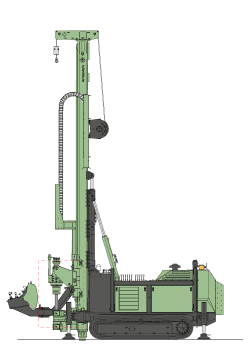



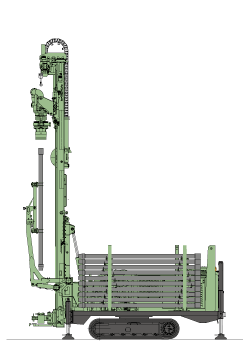

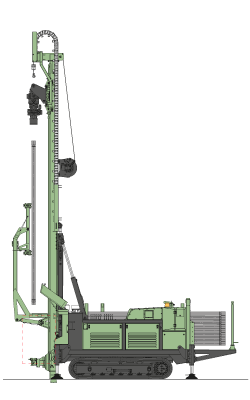

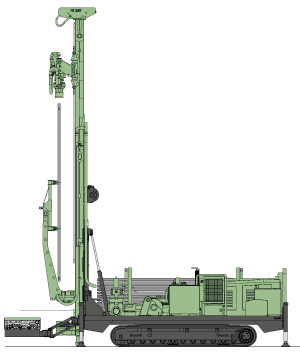

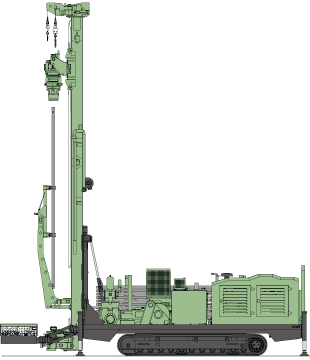
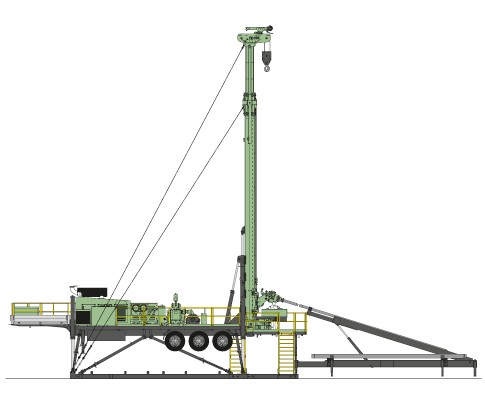
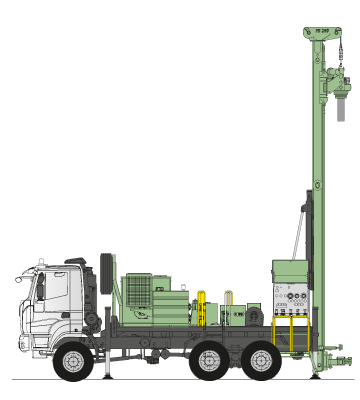


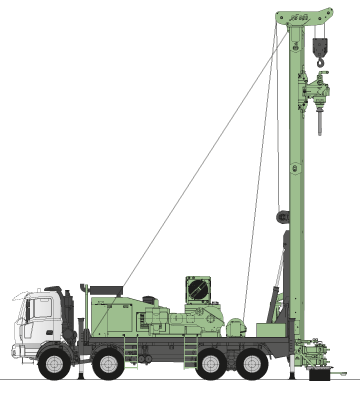
Conventional Rotary Rigs
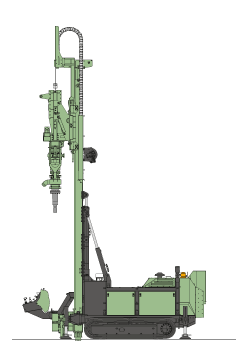
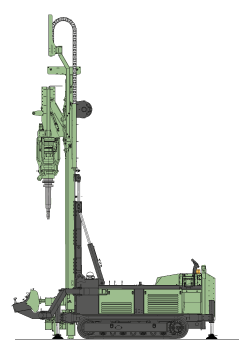
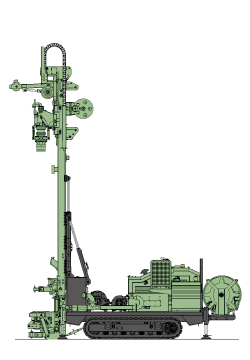
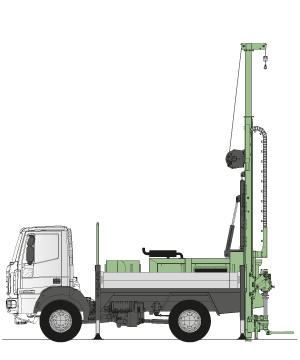
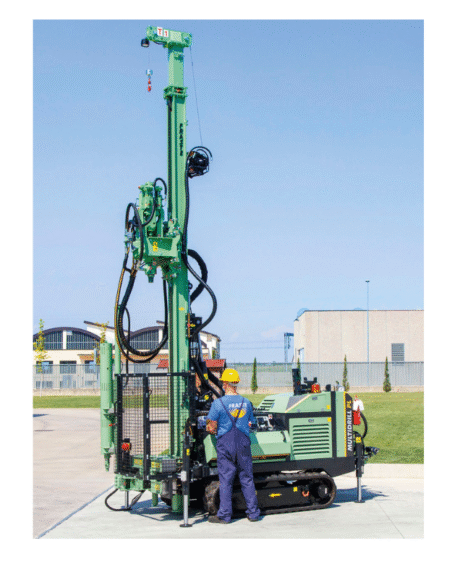
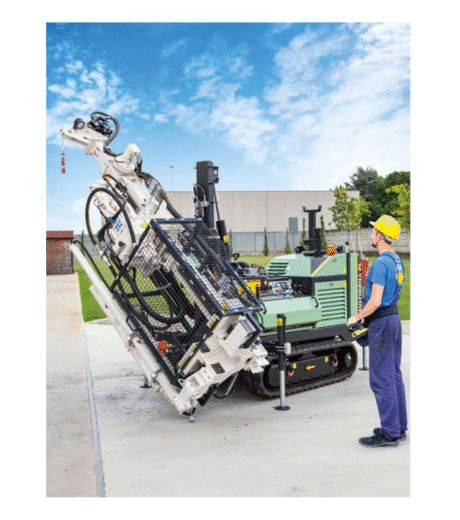
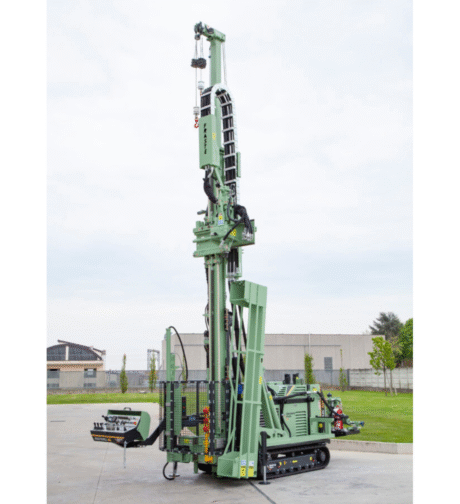
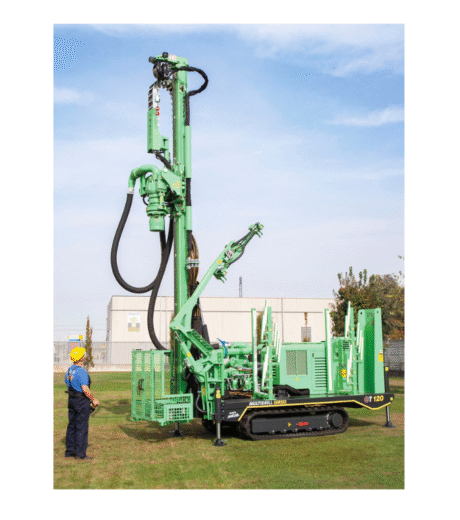
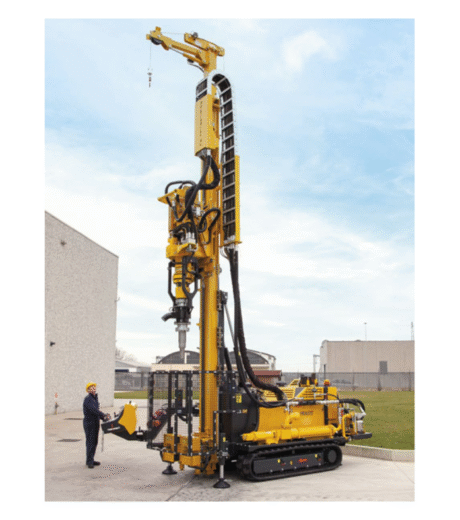
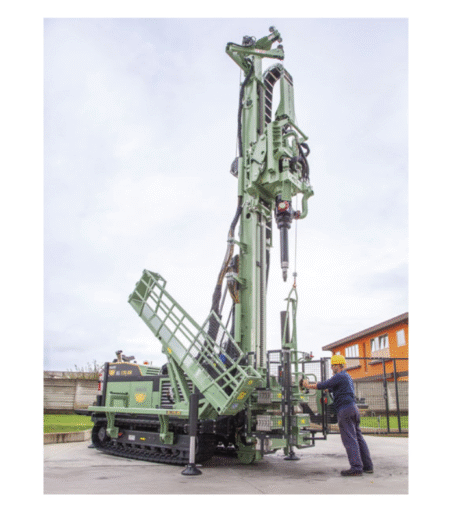
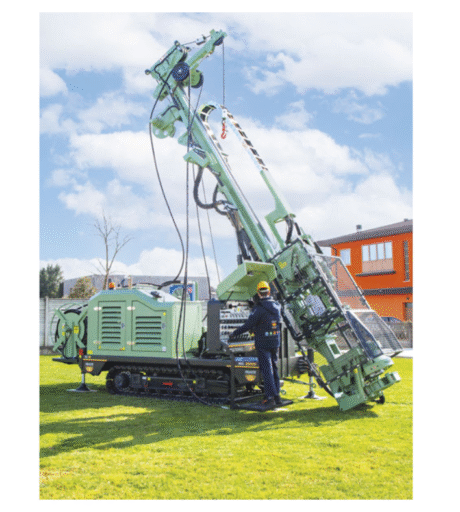
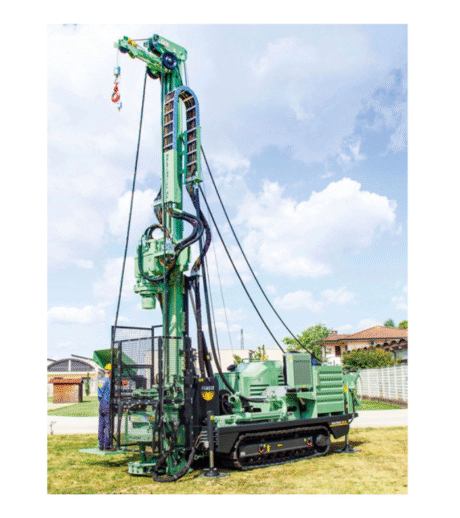
Fraste conventional rotary drilling rigs for water wells, geothermal, environmental and general purpose drilling. The range spans the Multidrill XL, ML, PL, GT and SL series, the FS models and dedicated service rigs, on crawler, truck and trailer carriers. Supplied, supported and serviced in the UK.
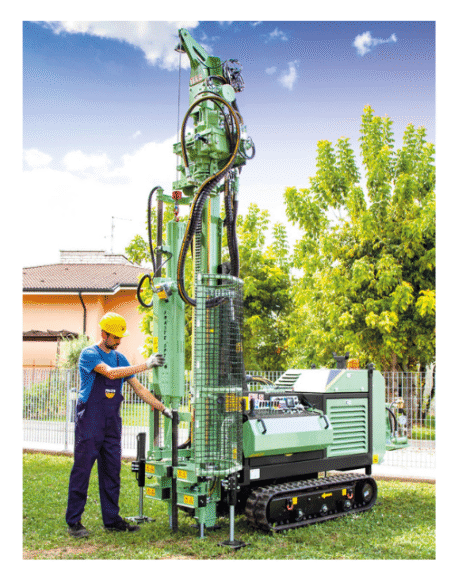
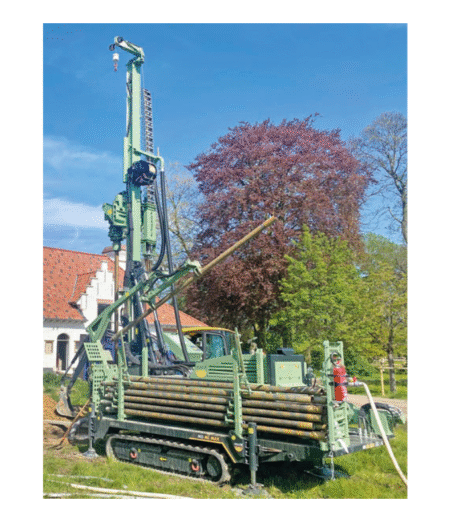
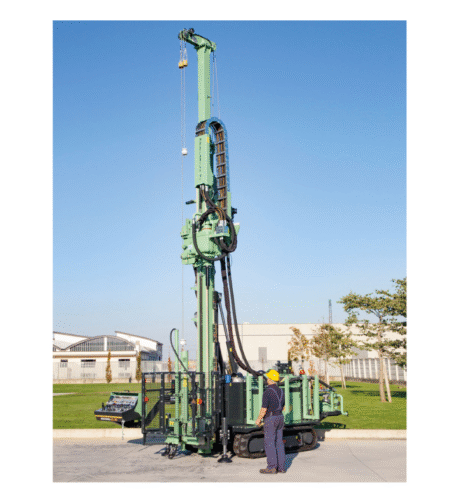
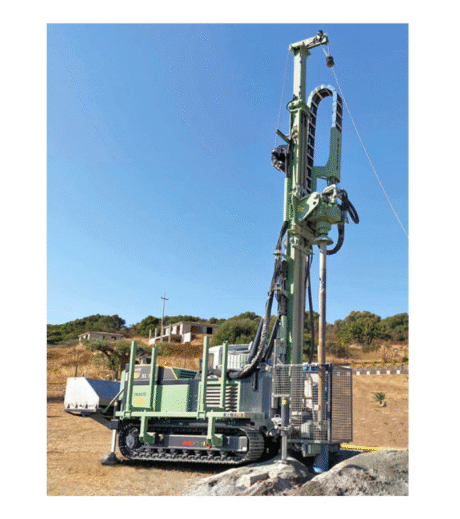
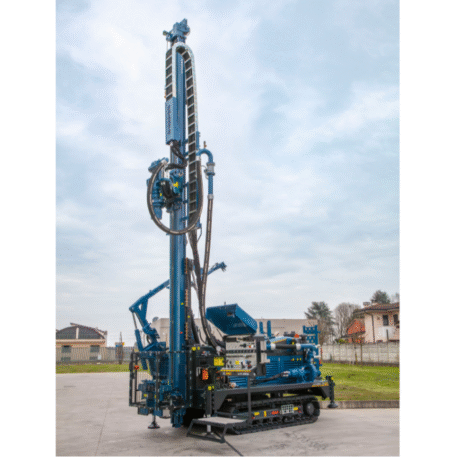

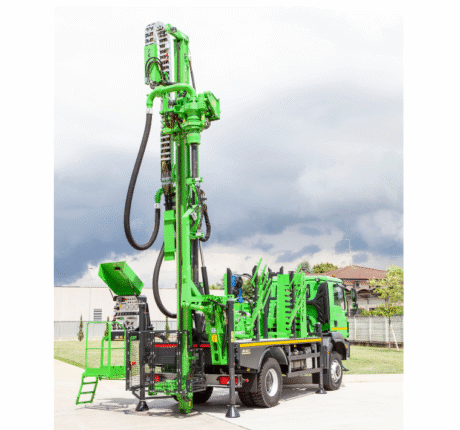
The Multidrill range
Fraste Multidrill is the core of the conventional rotary line, stepping through capacity while keeping the same proven method. Most models are offered on more than one carrier, with a T suffix marking the truck mounted version.
- Multidrill XL 140, XL 170 and XL MAX — the general purpose workhorses, also available as XL 140 T, XL 170 T, wheeled XL 140 W and XL 170 W, and down-the-hole configured XL 140 DR and XL 170 DR.
- Multidrill ML, ML MAX and ML T — mid range machines for contractors working across varied jobs.
- Multidrill PL A and PL G, and the Multidrill SL — the compact end of the range, for restricted access and lighter duty programmes.
- Multidrill GT 120 and GT ROBOT 275 — including robot control, which keeps the operator away from the mast.
The FS range
The FS models cover the mid to upper capacity band, each with a truck mounted variant:
Service rigs
Drilling a well and maintaining it are different jobs, and using a drilling rig for the second is expensive. The service rig range — SR 14, SR 16, SR 20 and SR 30 — is built for pulling and replacing pumps and rising mains, cleaning and rehabilitating existing wells, and workover tasks. If you hold a stock of wells under maintenance contract, a dedicated service rig usually pays for itself in released drilling capacity alone.
Choosing capacity and carrier
Model numbers indicate capacity, not depth. Achievable depth depends on hole diameter, formation and the tooling and flushing you run, so a specification conversation is more useful than a number on a page. What we need to know is the range of diameters and depths you actually drill, the formations you meet, and how often you move between sites.
That last point usually settles the carrier. A tracked crawler reaches ground a truck cannot and copes with soft or uneven sites; a truck mounted rig moves far faster between locations and wins on programmes made up of many short visits. Trailer mounted suits lighter work behind an existing vehicle.
When rotary is not the answer
Rotary is the economical default for water wells, geothermal and general drilling. Where near-continuous core recovery in made ground, gravels or interbedded sequences is the requirement, see Sonic Rigs. Where the deliverable is in-situ geotechnical parameters rather than material, see CPT Rigs. For piling and ground consolidation see Conventional Foundation Rigs, and for deep core recovery on exploration programmes see Mineral Exploration.
Conventional rotary FAQs
What can a conventional rotary rig drill?
Water wells, geothermal boreholes, environmental and geotechnical investigation holes, dewatering wells and general purpose drilling. It is the most widely used method because it is proven, economical and adaptable - the same machine handles a range of diameters and depths by changing the tooling and the flushing medium.
What is the difference between the Multidrill XL, ML, PL, GT and SL series?
They step through size and capability rather than changing method. The XL and ML series are the general purpose workhorses in the middle of the range, the PL and SL series sit at the more compact end, and the GT series includes the robot-controlled GT ROBOT 275. Within each series the numbers indicate capacity, and a T suffix denotes the truck mounted version.
What are the FS models for?
The FS range - FS 250 through FS 600, with truck mounted T variants - are conventional rotary rigs covering the mid to upper capacity band. As with the rest of the range, the number relates to capacity rather than depth, since achievable depth depends on diameter, formation and the tooling you run.
What is a service rig used for?
Well maintenance and intervention rather than drilling a new hole - pulling and replacing pumps and rising mains, cleaning and rehabilitating existing wells, and workover tasks. The SR 14, SR 16, SR 20 and SR 30 cover that work. If your business includes maintaining a stock of existing wells, a service rig is usually more economical than tying up a drilling rig on it.
Crawler, truck or trailer - which should I choose?
Access decides it more often than drilling specification does. A tracked crawler reaches ground a truck cannot and works on soft or uneven sites. A truck mounted rig moves between locations far faster, which matters on programmes with many short visits. Trailer mounted suits lighter work and towing behind an existing vehicle.
When should I use sonic instead of rotary?
When core recovery matters and the ground is difficult - made ground, gravels, cobbles, interbedded sequences. Rotary loses core in those conditions; sonic advances quickly and returns near-continuous core. For water wells, geothermal and straightforward general drilling, rotary remains the more economical choice.
Can I hire a conventional rotary rig?
Yes. We run a UK rental fleet, which suits contract peaks, a project outside your usual capability, or trying a model before purchase.
Specifying a rig
These machines are configured to the job, so they are quoted rather than listed at a price. Tell us the diameters and depths you drill, the ground you meet, your site access and how the rig will be transported, and we will put a specification together. Request a quote, ask about the rental fleet, or read about UK service and support.