
Sonic Rigs
Fraste sonic drilling rigs for high recovery continuous coring in unconsolidated and mixed ground. The DUO range runs from the compact PRS 70 up to the LRS 355, including tracked and low ground pressure configurations. Supplied, supported and serviced in the UK.
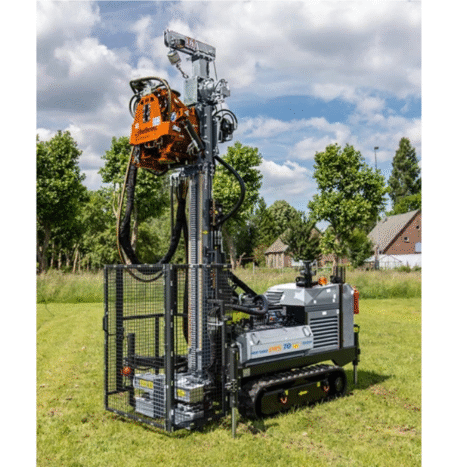
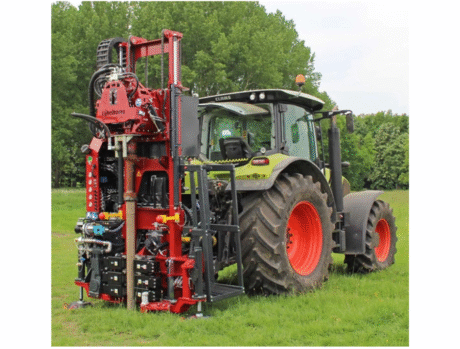

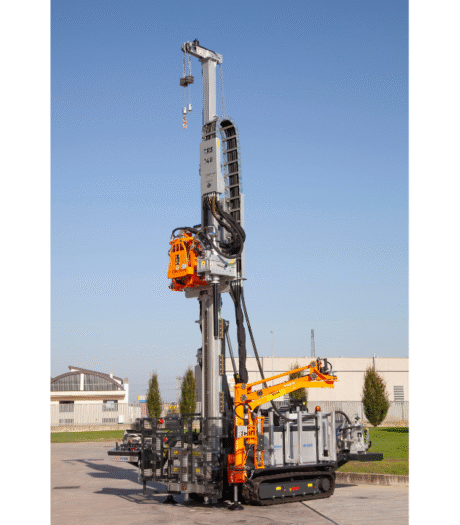
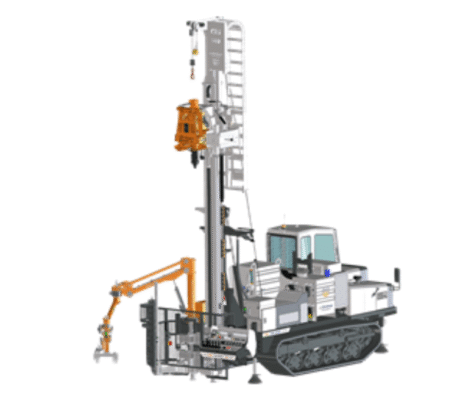
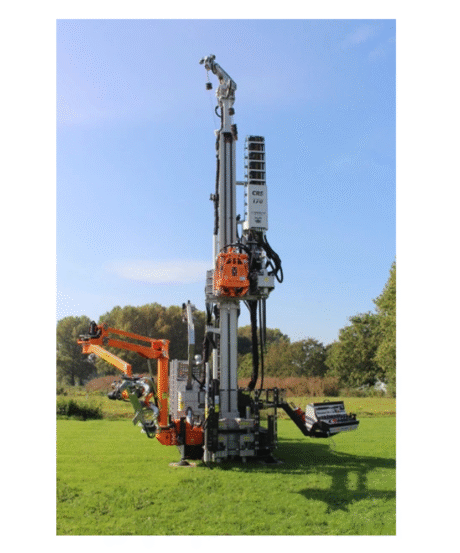

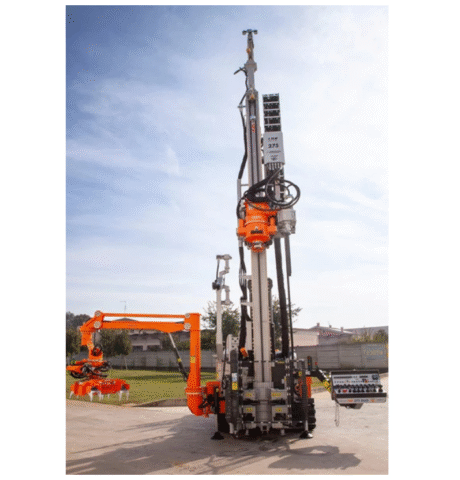

The sonic range
Capacity and depth capability increase through the range, but access and ground conditions usually narrow the choice before capacity does.
- PRS 70 — the compact end of the range, for restricted access and shallower programmes.
- SRS-T 110 and SRS 120 DUO — small to mid capacity machines covering routine site investigation depths.
- CRS 140 DUO and CRS 170 DUO — the middle of the range and the most widely specified for general contaminated land and geotechnical work.
- CRS 140 DUO Terramac — mounted on a low ground pressure carrier for soft, wet and sensitive ground where a conventional crawler would bog or cause damage.
- MRS 200 DUO — higher capacity for deeper programmes.
- LRS 275 DUO and LRS 355 — the largest machines in the range, for the deepest sonic work.
Why sonic recovers core that rotary loses
The mechanism is the point. A sonic head vibrates the drill string at high frequency while rotating and advancing it. That resonance briefly fluidises the ground at the bit face, so the string passes through the formation rather than cutting it and flushing the cuttings away.
Because there is little or no flush, there is nothing washing the fines out of the sample. In sands, silts, made ground and interbedded sequences — precisely the material a rotary run tends to lose — the core arrives at surface largely intact and in order. Where the deliverable is a continuous, representative profile rather than a hole, that difference is usually the entire justification for the method.
Speed, waste and contaminated land
Sonic penetration rates in unconsolidated ground are typically well above rotary, which compresses programme time. The reduced flush requirement matters just as much on contaminated sites: less flush means far less contaminated arisings to contain, store and dispose of, and disposal is often a larger line in the budget than the drilling itself.
Cased advance also limits cross-contamination between horizons, so a plume identified at one depth is less likely to be dragged into the sample from another. Between recovery quality, waste reduction and cross-contamination control, sonic has become the default method for a large share of UK contaminated land investigation.
When rotary remains the better choice
Sonic is not universally superior, and specifying it where it is not needed simply costs more. For water wells, geothermal boreholes and straightforward drilling in competent rock, conventional rotary is proven and more economical. Sonic earns its premium where recovery in difficult unconsolidated ground is the requirement.
Where the deliverable is in-situ geotechnical parameters rather than material, see CPT Rigs — often faster and cheaper than drilling for them. For shallow investigation with restricted access, see Window Sampling.
Sonic drilling FAQs
Specifying a rig
Sonic rigs are configured to the programme and quoted rather than listed. Tell us the depths and diameters, the ground you expect, the site access and whether contaminated arisings are a factor, and we will match a machine to it. Request a quote, ask about the UK rental fleet, or read about service and support.