
Water
Field instruments for water measurement and quality — pH, EC, dissolved oxygen and turbidity meters, pocket testers, the RQflex reflectometer, mechanical current meters for flow, and water level and interface meters for wells and boreholes.

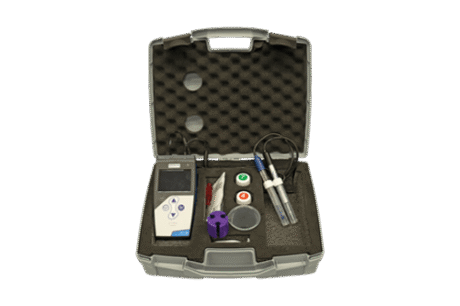
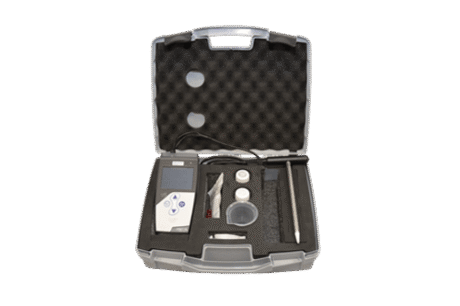
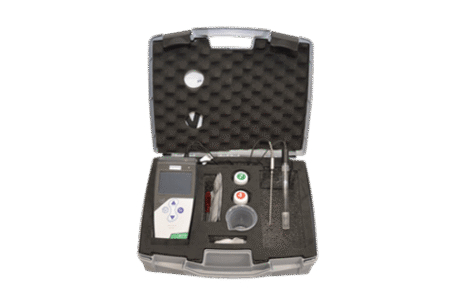
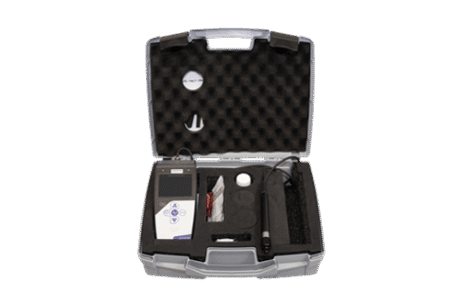


Water quality meters
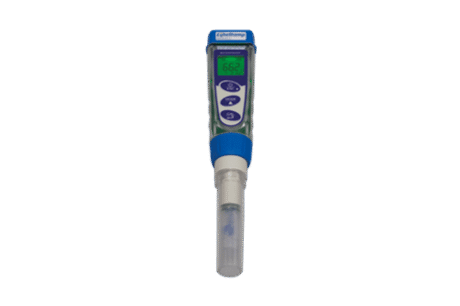
- pH / EC / Oxygen Meter Set — the three core parameters in one set, for general water quality work.
- pH Meter Set for Soil and Water and EC Meter Set for Soil — for soil as well as water measurement.
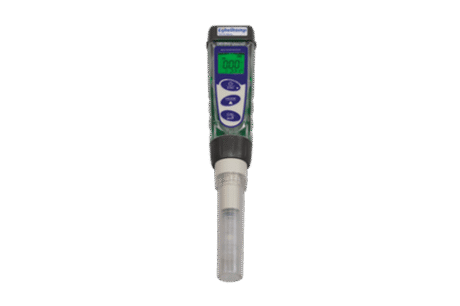
- pH / EC Meter for Water — combined pH and conductivity.
- Oxygen Meter with Accessories — dissolved oxygen, which must be measured in situ or in a sealed cell.
- Infrared Turbidity Meter TB 211 IR — suspended solids and sampling disturbance.
- RQflex Reflectometer — reads colorimetric test strips numerically rather than by eye.
Pocket testers
- Pocket pH / EC Tester — Waterproof, Pocket EC Tester and Pocket pH Tester — screening instruments, robust enough to live in a field bag.
Flow measurement
- Mechanical Current Meter — flow velocity in open channels, the traditional and well-proven method.
- Mini Current Meter with Aluminium Propeller and Current Meter with Synthetic Propeller — propeller choice affects sensitivity across the velocity range.
Water level and interface
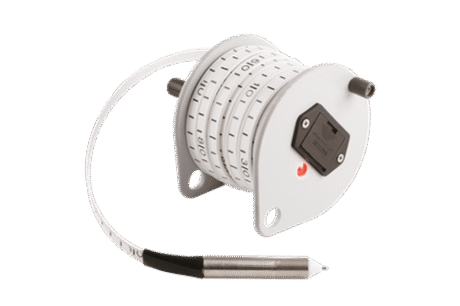
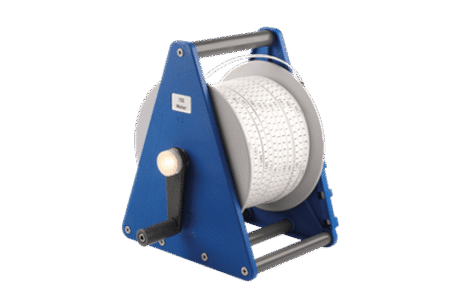
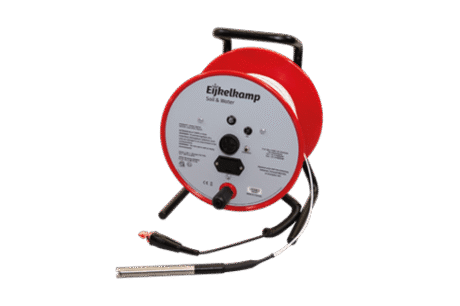
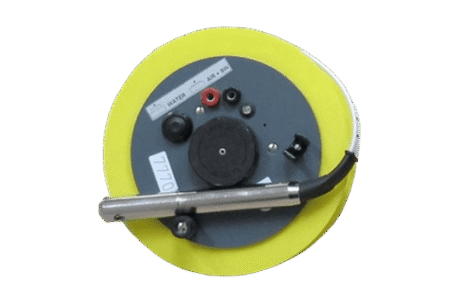
- Water Level Meter, on a Frame, Mini with start/stop and Pocket Size 10 m — for dipping wells and boreholes.
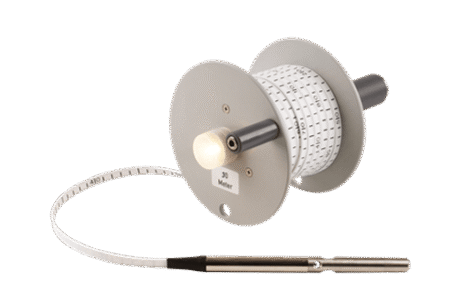
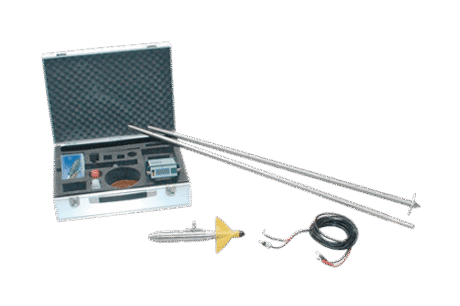
- Interface Meter — 30 m — distinguishes floating product from the water beneath it.
Measure it where it is
The most common mistake in field water chemistry is measuring the wrong thing correctly. Dissolved oxygen and redox begin changing the instant water meets air, so a reading taken from an open bucket describes the bucket rather than the water body. Temperature drifts, and since pH and conductivity are both temperature dependent, so do they.
Measure in situ where you can, and in a sealed flow through cell in a pumped stream where you cannot. That last arrangement is also how you know when low-flow purging has stabilised and the water reaching the pump is genuinely formation water.
Calibration is not optional
pH electrodes drift, and they drift more as they age. Calibrating before each day of use takes a few minutes and is the difference between a defensible number and a plausible one — and on regulated work, an instrument with no calibration record casts doubt over the entire dataset regardless of how carefully the sampling was done.
Calibrate at temperatures near those you will measure at, keep buffers in date, and write the calibration down. It is the cheapest quality control available.
Related equipment
For continuous multiparameter monitoring rather than spot readings see Scuba Multiparameter Probes, and for continuous level recording Water Level Loggers. For collecting samples see Liquid Samplers and Groundwater Pumps. Water level and interface meters are also available for immediate ordering in the shop.
Water measurement FAQs
Ordering and support
All instruments here are genuine Eijkelkamp, supplied direct from our UK operation with UK-based service and support. Tell us the determinands you need, whether the work is regulated, and the water you are working in, and we will specify accordingly. Request a quote or get in touch.