
Diver Accessories
Accessories for deploying and retrieving Diver water level loggers in monitoring wells — wire hangers, stainless steel wire clamps, HMPE rope, steel cable and copper anti-fouling shields. The suspension hardware is what decides whether an expensive logger stays at the right depth and comes back out. Supplied direct from our UK operation.

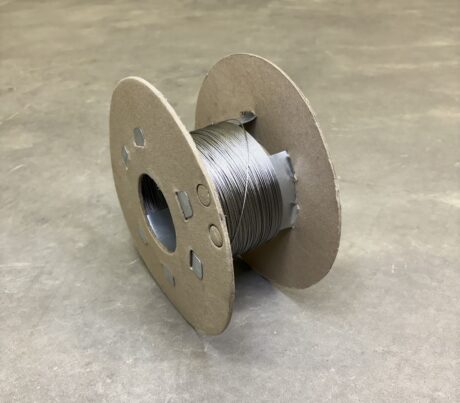


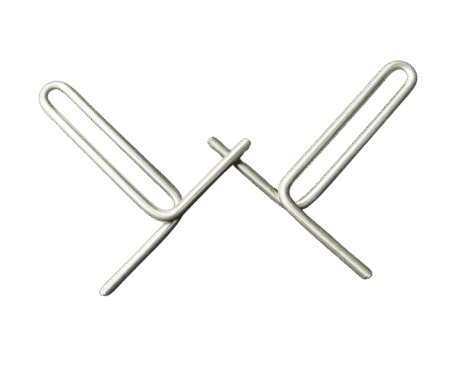
Suspension hardware
- Diver Wire Hangers — support the line at the well head so the logger hangs at a fixed, known depth rather than resting on the base of the well.
- Stainless Steel Wire Clamps — secure the line to the hanger and to the logger. Stainless matters here: a corroded clamp is the most common way a logger is lost.
- HMPE Rope — light, non-corroding and easy to handle. The practical default for shallow to moderate deployments.
- Steel Cable — low stretch, so the deployment depth holds consistently over long periods and in deeper wells.
Protection
- Diver Copper Shield — suppresses biofouling on the sensor. Worth fitting on any long deployment, and close to essential in nutrient-rich groundwater where biological growth builds up quickly and degrades readings between visits.
Why stretch is the thing to think about
A water level logger measures pressure. Turning that into a water level depends on knowing the depth at which the sensor is sitting. If the suspension line creeps downward over a six month deployment — and synthetic line under sustained load does creep — the reference depth shifts, and the entire record drifts with it. You will usually only discover this when the logger data and the manual dips stop agreeing.
Two things prevent it. Choose a low-stretch line where the deployment is long or deep, which is the case for steel cable over rope. And record the deployment depth against a marked datum on the well head at installation, then check it at each visit with a water level meter. The manual dip is what lets you verify and, if necessary, correct the logger record.
Do not improvise the suspension
It is tempting to hang a logger on whatever line is in the van. Knots in synthetic rope slip under sustained load, unrated line degrades in groundwater, and a plated clamp corrodes. The failure mode is a logger sitting at the bottom of a well — sometimes unrecoverable, and in every case months of data recorded at a depth that was not the one written on the field sheet. Dedicated hangers and stainless clamps cost a small fraction of the instrument they are holding.
Related equipment
For the loggers themselves, see Water Level Loggers, and Data Read-Out Units for downloading them in the field. For the wells these are deployed in, see Monitoring Wells, and Water Level Meters for the manual dips that verify logger data.
Diver accessory FAQs
Ordering and support
Everything listed here is genuine Eijkelkamp equipment supplied direct from our UK operation. Tell us your well diameter, the deployment depth and how long the loggers will be left in place, and we will confirm whether rope or cable is the right choice before you order.